
If your clutch is slipping, sticking or juddering, or you’ve just received a repair quote, you’re probably wondering whether the price is fair. Clutch replacement cost can vary by hundreds of pounds, and driving with a failing clutch risks leaving you stranded. At Auto King in Bethnal Green, we replace clutches using OEM parts and confirm the repair price, including whether the flywheel needs replacing, before work starts.
Quick Answer: Clutch replacement cost in the UK is typically £500 to £850 for many standard jobs, rising to around £780 to £1,250 when a dual-mass flywheel needs replacing too. At Auto King in Bethnal Green, clutch replacement typically costs £550 to £935, or £860 to £1,375 with a dual-mass flywheel. Labour accounts for a significant part of the bill because the gearbox usually needs removing to access the clutch.
How Much Does Clutch Replacement Cost in the UK?
Clutch replacement typically costs £500 to £850 in the UK for many standard manual cars, although larger or more complicated vehicles can cost more. London garages often charge towards the higher end because of higher labour and operating costs.
According to RAC’s UK clutch replacement cost guide, the average clutch replacement cost is approximately £670, based on repair data.
However, the final price depends on your vehicle’s engine, gearbox design, replacement parts and whether the flywheel also needs attention.
The following table shows indicative prices at a London independent garage, including VAT.
| Car type | Clutch only | Clutch and dual-mass flywheel |
| Small petrol car (city car, supermini) | £550 to £700 | Not usually fitted |
| Family hatchback or saloon | £650 to £935 | £860 to £1,200 |
| Diesel, larger car or SUV | £750 to £935 | £950 to £1,375 |
| 4×4, automatic and dual-clutch gearboxes | Priced after inspection | Priced after inspection |
These ranges are estimates rather than fixed prices. The exact specification matters more than the vehicle’s size alone.
A small petrol car with a straightforward gearbox layout may need only a conventional clutch kit. A larger diesel with a worn dual-mass flywheel could require additional components and labour.
Before accepting a quote, check whether it includes the complete clutch kit, labour, VAT and any necessary flywheel replacement.
What Is Included in a Clutch Replacement?
A standard clutch replacement normally involves fitting a complete clutch kit rather than changing just the worn friction plate.
The kit typically includes three main components:
- Clutch plate (friction disc): Transfers engine power to the gearbox when the clutch is engaged.
- Pressure plate: Clamps the friction disc against the flywheel to transmit engine torque.
- Release bearing: Helps disengage the clutch when you press the pedal.
On many modern cars, the release bearing is integrated with a hydraulic concentric slave cylinder. Where fitted, this assembly is commonly replaced during clutch repairs.
A mechanic may also inspect related components, including the flywheel, clutch hydraulics, seals and gearbox input shaft area.
Why Is Clutch Replacement Labour Expensive?
The clutch sits between the engine and gearbox, making access difficult.
Depending on the vehicle, a mechanic may need to disconnect driveshafts, remove surrounding components, support the engine and lower or remove the gearbox.
Once the gearbox is removed, the old clutch components can be inspected and replaced before everything is reassembled and tested.
This labour-intensive process explains why replacing just one part of a worn clutch assembly rarely makes financial sense.
If another component fails shortly afterwards, the gearbox may need removing again.
Ask whether your quote covers the full clutch kit rather than only the clutch plate. Also confirm whether associated hydraulic components and any required gearbox oil are included.
Do You Need a New Flywheel With a New Clutch?
No, a new flywheel is not automatically required whenever the clutch is replaced. Whether it needs replacing depends on the flywheel type, its condition and the vehicle manufacturer’s requirements.
This is one of the biggest reasons clutch replacement quotes can differ substantially.
One garage might quote for the clutch kit alone, while another includes a new dual-mass flywheel.
Understanding what the flywheel does, and how mechanics assess its condition, helps you make sense of the difference.
What Is a Dual-Mass Flywheel?
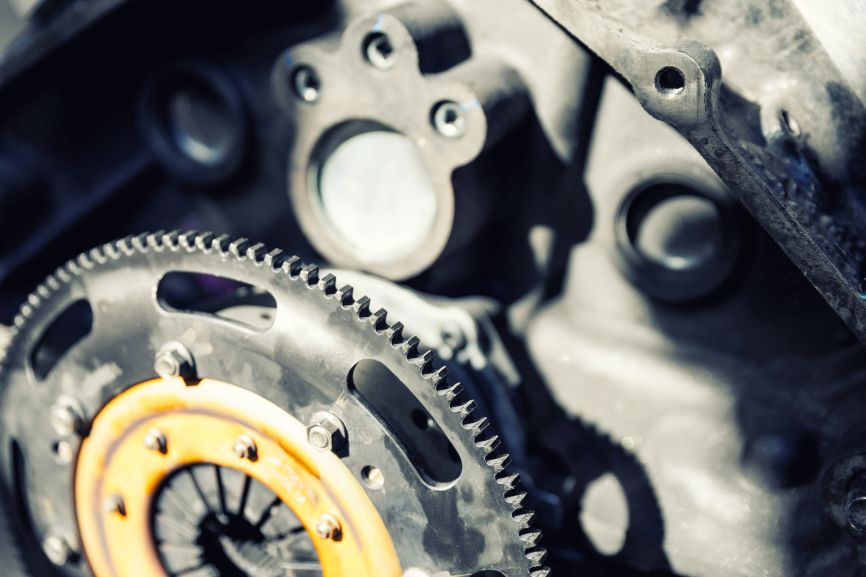
A dual-mass flywheel (DMF) is designed to reduce engine vibrations before they reach the gearbox.
Unlike a conventional single-mass flywheel, which is essentially one solid rotating assembly, a DMF uses two main masses connected through an internal damping mechanism.
Springs and other components absorb fluctuations in engine torque, reducing vibration and helping improve driving comfort.
Dual-mass flywheels are common in modern diesel cars and are also fitted to many petrol vehicles, particularly those producing higher torque.
Smaller petrol cars often have conventional single-mass flywheels, although this varies by engine and transmission specification.
A single-mass flywheel can sometimes remain serviceable through multiple clutch replacements, provided its condition meets the manufacturer’s requirements.
A DMF contains additional moving parts that can wear or deteriorate.
However, having a dual-mass flywheel does not automatically mean it must be replaced with every clutch.
What Are the Signs of a Worn Dual-Mass Flywheel?
A failing dual-mass flywheel can cause unusual noises, vibration and difficulty achieving smooth clutch engagement.
Possible warning signs include:
- Rattling or knocking at idle: Metallic noises around the gearbox area that may change when you press the clutch pedal.
- Vibration when pulling away: Unusual shaking through the floor, pedals or vehicle body.
- Clunking when switching off the engine: Excessive movement within a worn flywheel may produce a noticeable noise.
- Judder during take-off: The vehicle may shake when the clutch engages.
- Persistent judder after clutch replacement: A flywheel fault may be one possible cause if other issues have been ruled out.
However, these symptoms do not confirm DMF failure.
Worn engine mounts, clutch contamination, gearbox problems and other mechanical faults can produce similar symptoms.
Clutch manufacturer LuK specifically advises technicians to investigate other possible causes of unusual noises before deciding that the dual-mass flywheel needs replacing.
The symptoms are a reason to inspect the vehicle, not automatic proof that you need a new flywheel.
How Can You Tell Whether Your Quote Needs a New Flywheel?
A proper flywheel assessment involves checking its condition against the relevant manufacturer’s specifications.
Some problems may be suspected from symptoms before dismantling, but detailed checks often become possible once the gearbox has been removed.
Depending on the flywheel design, a mechanic may examine:
- Rotational free play: Whether movement between the flywheel’s two masses falls within the specified limits.
- Rocking or tilting movement: Whether excessive movement indicates internal wear.
- Friction surface condition: Signs of overheating, cracking or other damage.
- Internal deterioration: Evidence of grease leakage, damaged components or abnormal operation.
Manufacturers specify different inspection procedures and acceptable limits, so there is no single measurement that applies to every DMF.
Before approving the repair, ask your garage these questions:
- Does my car actually have a dual-mass flywheel? This should be confirmed using the vehicle’s specification.
- Has the flywheel been inspected, or is replacement being assumed? Ask what supports the recommendation.
- Can you provide both prices? Request a clutch-only quote and a clutch-and-flywheel quote.
- Why does the flywheel need replacing? Ask whether the condition falls outside the manufacturer’s limits.
- Can I see the old parts or photographs? This can help you understand the recommended work.
A sensible approach is to agree on the potential costs before dismantling, then confirm the necessary work following inspection.
If the DMF is genuinely worn, replacing it alongside the clutch can avoid paying for gearbox removal labour again later.
However, replacing a flywheel that remains serviceable and meets the relevant requirements can add unnecessary expense.
The decision should be based on inspection findings and manufacturer guidance, not mileage alone.
How Long Does a Clutch Last?
A manual clutch commonly lasts around 60,000 to 100,000 miles, although some last considerably longer and others wear out much sooner.
Driving style, traffic conditions, vehicle weight and how frequently the clutch slips during engagement all influence its lifespan.
Why London Driving Can Wear Out a Clutch Faster
Consider a typical rush-hour journey through Bethnal Green.
You stop at traffic lights, move forward a few metres, wait at another junction and repeat the process.
Every pull-away involves engaging the clutch. The friction generated during this process contributes to normal wear.
Frequent hill starts, slow manoeuvring and heavy stop-start traffic can increase that wear.
Common habits that shorten clutch life include:
- Riding the clutch by keeping it partially engaged while driving.
- Holding the car on a hill using the clutch instead of the brakes.
- Resting your foot on the clutch pedal.
- Excessive clutch slipping during parking or manoeuvring.
- Frequently towing heavy loads, particularly when pulling away.
To help your clutch last longer, release the pedal fully once moving, avoid unnecessary slipping and use the appropriate braking system when stationary.
If you notice rising engine revs without a matching increase in road speed, read our guide to the signs of a slipping clutch.
Recognising the warning signs early gives you more time to arrange repairs before the clutch fails completely.
How Long Does a Clutch Replacement Take?
A typical clutch replacement takes around four to eight hours of labour, although complicated vehicles may take longer.
For many standard manual cars, the work can be completed on the same day or by the next working day, depending on workshop availability and parts.
The process generally involves removing the gearbox, replacing the worn components, checking related parts, reassembling the vehicle and testing the repair.
Larger vehicles, some 4x4s and cars with complicated gearbox layouts may require additional dismantling.
If a flywheel also needs replacing, the garage must confirm the correct part is available.
Ask your garage for an estimated completion time when booking, particularly if you rely on your car for commuting.
Clutch Replacement Prices at Auto King
At Auto King in Bethnal Green, we provide clutch and gearbox repairs using OEM parts. Our prices depend on the vehicle’s make, model, engine and gearbox specification.
| Job | Typical price at Auto King (inc. VAT unless stated) |
| Clutch replacement | £550 to £935 |
| Clutch replacement with a dual-mass flywheel | £860 to £1,375 |
| 4×4, automatic and dual-clutch gearboxes | Priced after inspection |
| Labour rate | £90 to £110 per hour plus VAT |
Our clutch replacement at our Bethnal Green garage starts with identifying the work your vehicle requires.
If the flywheel may need replacing, we explain the possible additional cost and confirm the appropriate repair after inspection.
The exact price is confirmed before work starts. Call us with your vehicle registration number so we can identify the correct specification and advise on the next steps.
Frequently Asked Questions
How Much Is a New Clutch?
A complete clutch replacement typically costs £500 to £850 for many standard UK cars, including parts and labour. At Auto King, typical clutch replacement prices range from £550 to £935. The final price depends on the vehicle and whether additional components, such as a worn flywheel, need replacing.
Can I Drive With a Slipping Clutch?
A slipping clutch may still allow the car to move initially, but continued driving is not recommended. Slipping generates heat, increases wear and can eventually leave you stranded. Arrange an inspection promptly and avoid driving if the vehicle cannot accelerate or change gear safely. If you also experience jerking when you change gear, the cause may involve the clutch or another drivetrain component.
Is It Worth Replacing the Clutch on an Older Car?
Replacing the clutch can be worthwhile if your car is otherwise reliable and the repair cost is reasonable compared with its value. Consider the vehicle’s overall condition, mileage and any other significant repairs it may need. A worn clutch alone does not necessarily mean the car should be replaced.
Why Is a Diesel Clutch Replacement More Expensive?
Diesel clutch replacement can cost more because many modern diesel cars use dual-mass flywheels. If the flywheel is worn and needs replacing, it increases the parts cost. Engine size, gearbox layout and labour requirements also affect the price. Not every diesel clutch replacement requires a new flywheel.
Will a Worn Clutch Fail an MOT?
A worn or slipping clutch does not automatically cause an MOT failure because the condition of the clutch is not assessed as part of the standard car MOT test. However, an MOT pass does not mean the clutch is healthy. If the clutch is slipping, sticking or making unusual noises, it should still be inspected and repaired as necessary.
Do Automatic Cars Have a Clutch?
Yes, but the clutch arrangement depends on the automatic gearbox design. Traditional torque-converter automatics use internal clutch components rather than a driver-operated clutch like a manual car. Dual-clutch gearboxes use clutch assemblies to manage gear changes. Repair procedures vary considerably, so Auto King prices automatic and dual-clutch gearbox repairs after inspection.
Book a Clutch Replacement in Bethnal Green
If your clutch is slipping, juddering or becoming difficult to operate, Auto King can inspect the problem and recommend the appropriate repair. Visit us at Auto King, 2-6 Portmans Place, Bethnal Green, London E2 0LQ, for our mechanical repairs.
Book an appointment online or Call us at 020 3877 6667