
If you’re a London driver with a car heater not working, blowing cold air or taking ages to warm up on a chilly morning, you’ll want to know what’s wrong and how to fix it. A cold cabin is uncomfortable, but a windscreen that won’t demist properly is a safety concern. Some heating faults can also indicate cooling system problems that could damage your engine. At Auto King in Bethnal Green, we diagnose and repair heating and cooling system faults, fit OEM parts and confirm the price before any work starts.
Quick answer: If your car heater is not working or blowing cold air, common causes include low coolant, a thermostat stuck open, trapped air in the cooling system, a blocked heater matrix, a failing water pump or faulty blower and temperature controls. Start by checking the coolant level with the engine completely cold. If the temperature gauge stays unusually low and the car takes much longer than normal to warm up, a stuck-open thermostat is a likely cause. Thermostat replacement at Auto King costs £105 to £235, including VAT.
Why Is My Car Heater Not Working? The 6 Common Causes
Most conventional petrol and diesel car heaters use heat generated by the engine. Hot coolant flows through a small radiator behind the dashboard, called the heater matrix. A fan blows air across it and directs the warmed air into the cabin.
If the coolant isn’t hot enough, cannot circulate properly or the ventilation system cannot deliver the warm air, your car heater may stop working.
Here are six common causes and the symptoms that can help you identify them.
1. Low Coolant Level
Low coolant is one of the first things to investigate when your car heater starts blowing cold air.
Your heater matrix needs a steady flow of hot coolant to warm the cabin. If the coolant level drops too far, there may not be enough circulating through the matrix to produce consistent heat.
Common symptoms include:
- Heater blowing cold or alternating between warm and cold air.
- Coolant level below the minimum mark.
- Repeated coolant top-ups.
- Fluctuating engine temperature readings.
- Coolant stains or puddles beneath the vehicle.
A persistently falling coolant level usually indicates a problem somewhere in the cooling system. Possible causes include leaking hoses, a damaged radiator, a faulty expansion tank or a leaking water pump. Internal engine faults can also cause coolant loss.
Can topping up the coolant restore heating?
Sometimes, but it depends on the fault. Restoring the correct coolant level may improve heating if low coolant caused the problem. However, topping up doesn’t repair a leak or remove trapped air.
Only check or replenish coolant when the engine is completely cold, using the coolant specification recommended by the vehicle manufacturer.
If the level continues dropping, arrange an inspection. Ignoring coolant loss can eventually lead to overheating and expensive engine repairs.
2. Thermostat Stuck Open
A faulty thermostat is another common reason for a car heater blowing cold air, particularly when the engine takes unusually long to warm up.
The thermostat regulates coolant flow through the radiator to help the engine reach and maintain its normal operating temperature.
When the engine is cold, it generally restricts coolant flow through the radiator. As the coolant warms up, the thermostat opens to allow more circulation.
If the thermostat becomes stuck open, coolant may pass through the radiator continuously, preventing the engine from warming up efficiently.
Thermostat stuck open symptoms include:
- Temperature gauge remaining unusually low.
- Engine taking longer than normal to warm up.
- Heater producing lukewarm instead of hot air.
- Temperature gauge dropping during motorway driving.
- Increased fuel consumption in some vehicles.
Imagine leaving Bethnal Green on a cold morning and driving for 20 minutes. The heater is still lukewarm, and the temperature gauge remains well below its usual position.
A stuck-open thermostat would be one possible explanation.
However, an inaccurate temperature sensor or another cooling system fault can produce similar symptoms. A diagnosis should confirm the cause before the thermostat is replaced.
A thermostat can also fail in the closed position, potentially causing rapid engine overheating.
Thermostat replacement cost at Auto King: £105 to £235, including VAT.
Our thermostat and water pump replacement service covers cooling system inspections and component replacement when required.
3. Air Trapped in the Cooling System (Airlock)
An airlock occurs when pockets of air become trapped inside the cooling system, disrupting coolant circulation.
This sometimes happens after coolant replacement, repairs involving coolant hoses or coolant loss caused by a leak.
Air trapped in the heater matrix or its connecting hoses can interrupt the flow of hot coolant, causing inconsistent cabin heating.
Common signs of an airlock include:
- Heater producing heat intermittently.
- Warm air while driving but cooler air at idle.
- Gurgling noises behind the dashboard.
- Fluctuating engine temperature readings.
- Heating problems starting after cooling system work.
The usual repair involves bleeding or vacuum-filling the cooling system according to the vehicle manufacturer’s procedure.
However, removing the trapped air isn’t always the complete solution.
If air repeatedly enters the system, there may be an unresolved coolant leak or another underlying problem.
A garage should investigate the cause rather than repeatedly bleeding the system without checking for faults.
4. Blocked or Leaking Heater Matrix
The heater matrix is a compact heat exchanger located inside the dashboard. It transfers heat from the engine coolant to the air entering the passenger compartment.
Over time, corrosion products, sludge or other deposits can restrict its narrow internal passages.
A blocked heater matrix may prevent enough hot coolant from passing through, reducing the amount of heat reaching the cabin.
Signs of a blocked heater matrix include:
- Engine reaching normal operating temperature while the heater remains cold.
- Reduced heating performance despite adequate coolant.
- Poor or inconsistent cabin heating.
These symptoms can also be caused by trapped air or faulty temperature controls, so a blocked heater matrix should not be assumed without testing.
A leaking heater matrix produces different warning signs.
Signs of a leaking heater matrix include:
- Sweet, coolant-like smell inside the cabin.
- Greasy film or persistent mist on the inside of the windscreen.
- Damp carpet in the passenger footwell.
- Unexplained coolant loss.
In American terminology, the heater matrix is commonly called the heater core.
Can a blocked heater matrix be repaired?
Sometimes. Depending on its condition, a specialist may be able to restore coolant flow by flushing the matrix. However, severe blockages, corrosion or physical leaks may require replacement.
Heater matrix replacement can be labour-intensive because accessing it may involve removing dashboard components.
At Auto King, heater matrix repairs and replacements are priced after inspection.
If you notice a sweet smell and unexplained coolant loss, arrange an inspection. A heater matrix leak can affect both cabin visibility and engine cooling.
5. Failing Water Pump
The water pump circulates coolant through the engine and cooling system, helping regulate engine temperature.
If the pump becomes damaged or its performance deteriorates, coolant circulation can become insufficient.
That can reduce cabin heating and, more importantly, cause the engine to overheat.
Common water pump failure symptoms include:
- Weak cabin heating, particularly at idle.
- Coolant leaking near the pump or the front or side of the engine.
- Whining or grinding noises near a belt-driven pump.
- Engine temperature rising above normal.
- Repeated overheating problems.
Not every failing water pump produces an obvious noise or external coolant leak.
Some pumps fail internally, while others develop problems with bearings, seals or the drive mechanism.
If your heater is blowing cold air while the temperature gauge is climbing, stop driving as soon as it is safe and switch off the engine.
Continuing to drive an overheating vehicle can cause serious engine damage.
Our guide to overheating even with the coolant full explains why an apparently adequate coolant level doesn’t rule out circulation problems.
Should the water pump be replaced with the timing belt?
On some vehicles, the water pump is driven by the timing belt. If the cambelt is due for replacement, replacing the water pump at the same time may be sensible, depending on the manufacturer’s recommendations and the condition of the components.
Our guide to replacing the water pump with the cambelt explains when combining these repairs makes sense.
At Auto King, adding a water pump replacement to a cambelt change costs £125 to £415 extra, including VAT.
Standalone water pump replacement is priced after inspection.
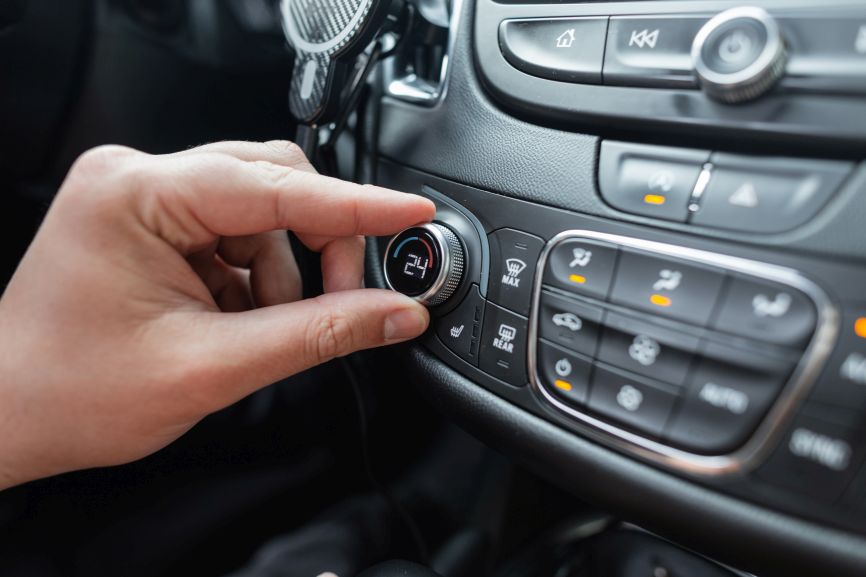
6. Blower Fan or Temperature Control Fault
Not every heater problem involves the cooling system.
Sometimes the engine produces enough heat and the heater matrix works correctly, but the ventilation system cannot deliver warm air into the cabin.
There are two common types of fault.
Blower motor or fan control fault
The blower motor pushes air through the ventilation system.
If the motor fails, you may notice:
- No air coming from the vents.
- Fan working intermittently.
- Fan operating only at certain speeds.
- Unusual noises from behind the dashboard.
A failed blower motor, fuse, resistor, wiring connection or electronic fan controller may be responsible.
On systems using a conventional blower resistor, failure can cause the fan to operate only at its highest setting.
Temperature blend door fault
A blend door is a flap inside the heating and ventilation system that controls how air passes through or around the heater matrix.
If the flap becomes stuck or its actuator fails, the cabin may receive cold air even when the engine is fully warmed up.
Typical symptoms include:
- Hot air on one side of the cabin but cold air on the other.
- Temperature controls making little or no difference.
- Clicking noises behind the dashboard when changing temperature settings.
A heavily restricted cabin filter can also weaken airflow, although it is less likely to be the cause of genuinely cold air coming from otherwise normal vents.
At Auto King, blower motor, resistor and blend door actuator repairs are priced after inspection.
Match Your Symptoms to the Likely Cause
The symptoms you notice can help narrow down the problem before a mechanic inspects your vehicle.
| What you notice | Likely cause | Typical fix at Auto King |
| Temperature gauge stays low, car takes ages to warm up | Thermostat stuck open | Thermostat replacement, £105 to £235 |
| Heat comes and goes, gurgling behind the dashboard | Airlock or low coolant | Find the leak, refill and bleed the system |
| Gauge reads normal but the heater blows cold | Blocked heater matrix | Flush or replace, priced after inspection |
| Sweet smell, misty film on the windscreen, damp footwell | Leaking heater matrix | Replacement, priced after inspection |
| Coolant leak at the front of the engine, temperature creeping up | Failing water pump | Water pump replacement, priced after inspection (£125 to £415 extra with a cambelt change) |
| No air from the vents, or fan only works on top speed | Blower motor or resistor | Electrical repair, priced after inspection |
| Hot on one side, cold on the other | Blend door actuator | Priced after inspection |
These are possible causes, not confirmed diagnoses. Several faults can produce similar symptoms, so professional testing may be necessary.
Safe Checks You Can Do Yourself
Start all physical checks with the engine completely cold and switched off. Never remove the coolant expansion tank cap when the engine is hot.
- Check the coolant level. With the engine cold and the vehicle parked on level ground, compare the coolant level against the MIN and MAX marks on the expansion tank. A low or repeatedly falling level needs investigation.
- Observe the temperature gauge. If the coolant level is correct and there are no warning signs, observe the gauge during an otherwise necessary 15 to 20-minute journey. Does it reach and maintain its usual operating position? Don’t drive solely to carry out this test if you suspect a cooling system fault.
- Test the blower fan. With the engine cold and the ignition set appropriately, switch on the ventilation system and try each fan speed. Check whether air comes from the vents and whether the temperature controls respond.
- Look for coolant leaks. With the engine cold, inspect the ground beneath the car for suspicious puddles or coolant stains. Check the passenger footwell for dampness and unusual smells.
- Notice changes in heating performance. If the car is otherwise safe to operate, pay attention to whether the heater produces more warmth while driving than when idling.
If coolant keeps disappearing or the temperature gauge rises above normal, stop driving safely and arrange professional assistance.
When the fault isn’t obvious, a proper diagnostic check can help identify the underlying problem before unnecessary parts are replaced.
Is It Safe to Drive With the Heater Not Working?
It depends on the cause. Some heater problems mainly affect comfort, while others can create a safety risk or indicate serious engine trouble.
A faulty blower fan or temperature blend door may not directly affect engine operation. However, if you cannot keep your windscreen clear, the vehicle is unsafe to drive.
The Highway Code, Rule 229, requires drivers to ensure they can see before setting off. It also instructs drivers to make sure windows are thoroughly demisted.
If your windscreen remains misted and you cannot maintain clear visibility, don’t continue driving.
Cooling system faults are more serious. Low coolant, a failing water pump or an overheating engine can lead to expensive mechanical damage.
Stop driving safely if you notice:
- Temperature gauge rising above normal.
- Engine temperature warning light.
- Steam coming from beneath the bonnet.
- Rapid coolant loss.
- Cold cabin air accompanied by engine overheating.
Switch off the engine and arrange assistance. Never remove the coolant cap while the engine is hot.
How Much Does It Cost to Fix a Car Heater?
The cost of repairing a car heater depends on what’s causing the problem.
Replacing a thermostat may be relatively straightforward, while repairing a heater matrix can involve significant dashboard disassembly.
That’s why an accurate diagnosis should come before component replacement.
| Repair | Typical price at Auto King |
| Thermostat replacement | £105 to £235 including VAT |
| Water pump added to a cambelt change | £125 to £415 extra, including VAT |
| Standalone water pump replacement | Priced after inspection |
| Heater matrix repair or replacement | Priced after inspection |
| Coolant leak repairs | Priced after inspection |
| Blower motor, resistor or blend door actuator | Priced after inspection |
| Labour rate | £90 to £110 per hour plus VAT |
Auto King fits OEM parts. The exact price depends on your vehicle’s make, model, engine and the work required.
All repair prices are confirmed before work starts.
A heater blowing cold air doesn’t automatically mean you need an expensive replacement. Sometimes the cause is trapped air, a thermostat fault or low coolant. Identifying the underlying problem can help avoid unnecessary repairs.
FAQs
Why Does My Car Heater Only Blow Hot Air When I Am Driving?
Low coolant or trapped air in the cooling system can cause heating to improve while driving but weaken at idle. A failing water pump may also reduce coolant circulation. A mechanic can check for leaks, airlocks and circulation problems to identify the cause.
Why Does My Car Take So Long to Warm Up?
A thermostat stuck open is a common cause of unusually slow engine warm-up. It can allow excessive cooling before the engine reaches its intended temperature. However, some modern small diesel engines naturally warm up more slowly during cold weather, particularly at idle.
Can Low Coolant Stop the Heater Working?
Yes. Low coolant can prevent enough hot coolant from circulating through the heater matrix, causing weak or inconsistent heating. Check the expansion tank only when the engine is completely cold. Repeated coolant loss should be investigated rather than managed through regular top-ups.
How Much Does a Thermostat Replacement Cost?
Thermostat replacement at Auto King costs £105 to £235, including VAT. The final price depends on the vehicle’s make, model, engine and the accessibility of the thermostat. Auto King confirms the exact price before carrying out the repair.
What Are the Signs of a Failing Water Pump?
Common symptoms include coolant leaks, unusual pump noises, reduced cabin heating and rising engine temperature. However, these symptoms can also indicate other cooling system faults. If the engine begins overheating, stop driving safely and arrange an inspection.
Will a Heater Fault Fail My MOT?
A car heater that doesn’t produce warm air is not, by itself, an automatic MOT failure. However, an associated fault may result in a test failure if it meets the criteria for excessive fluid leakage or another testable defect. The DVSA MOT inspection manual explains when fluid leaks are serious enough to fail.
Regardless of the MOT result, you must maintain clear visibility through your windscreen when driving.
Get Your Car Heater Checked in Bethnal Green
If your car heater is blowing cold air, taking too long to warm up or struggling to demist the windscreen, Auto King can identify the underlying problem and recommend the appropriate repair.
Visit Auto King, 2-6 Portman Place, Bethnal Green, London E2 0LQ, and get your heating system checked before the coldest weeks arrive.
Book an appointment online or Call us at 020 3877 6667